Jinsakai Comparison
Honoring the Ghost: A Visual and Combat Evolution from Tsushima to Yōtei
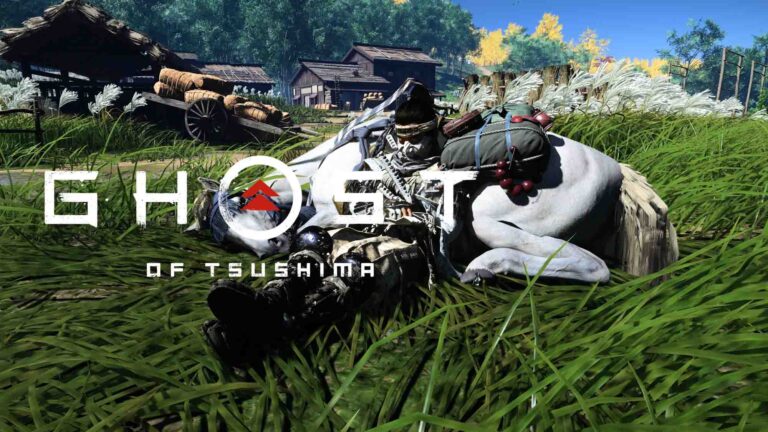
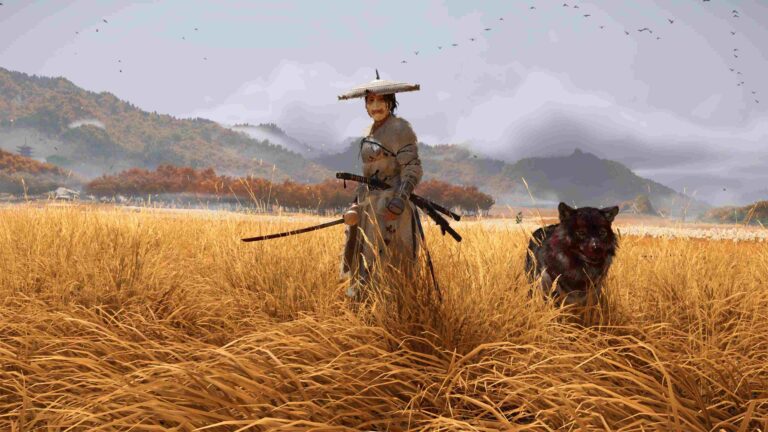
When Ghost of Tsushima debuted, it set a remarkably high standard for cinematic art direction, atmospheric lighting, and fluid swordplay. However, as gaming hardware and rendering engines continue to advance, fans and creators have pushed visual boundaries even further. A fascinating side-by-side comparison video highlights this progression by placing the iconic Jin Sakai from the original title alongside a modernized model adaptation envisioned for Ghost of Yōtei, demonstrating how subtle graphical refinements can breathe fresh life into a beloved character.
The graphical leap begins with intricate facial fidelity and character rendering. Up close, the Ghost of Yōtei version showcases elevated skin texture resolution, capturing fine pores, realistic weathering, and detailed facial hair with striking realism. Advanced sub-surface scattering and dynamic ambient lighting give the skin genuine depth, while higher-resolution irises and realistic specular reflections make the gaze appear truly lifelike. Compared to the stylized yet slightly softer look of the original release, this revised aesthetic leans heavily into visceral, modern authenticity.
Beyond static details, the evolution is most evident in motion and combat choreography. The split-screen demonstration pits both versions through intense combat encounters across varying biomes, from snowy ridges to muddy plains. While the original Ghost of Tsushima excels in clean, classic samurai dueling, the newer presentation expands upon tactical diversity, notably integrating weapon versatility like the Yari (spear) alongside traditional katana strikes. Transitions between stances appear sharper, finisher animations feel noticeably heavier, and enhanced particle systems—ranging from dynamic blood splatters to ambient environmental debris—heighten the raw tension of every strike.
Ultimately, this side-by-side showcase serves as both a technical triumph and an exciting glimpse into the ongoing visual journey of the franchise. While the original game remains an undeniable masterpiece of art design and thematic beauty, these visual and mechanical upgrades demonstrate how cutting-edge rendering techniques can push immersion to new heights. For fans who lived through Jin Sakai’s journey on Tsushima, seeing the spirit of the warrior revitalized with next-generation polish is a thrilling preview of where feudal Japanese action-adventures are headed.