The Legacy of Jin Sakai in Ghost of Tsushima
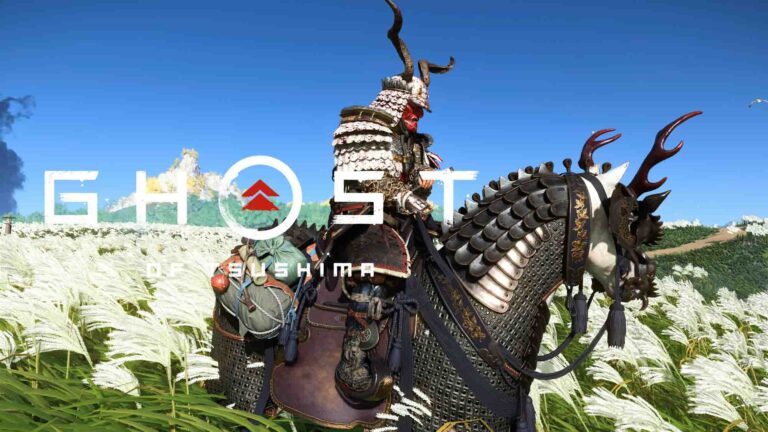
Jin Sakai is the central figure and playable protagonist of Ghost of Tsushima, a game that blends open‑world exploration with a deeply personal story of honor, sacrifice, and transformation. Born into the Sakai Clan, one of the most respected samurai families on Tsushima, Jin embodies the values of loyalty and discipline instilled in him from a young age. His story is not just about resistance against the Mongol invasion, but also about his struggle with tradition, morality, and the changing definition of what it means to be a warrior.
Raised under the guidance of his uncle, Lord Shimura, Jin was trained heavily in the way of the samurai. From swordsmanship to the code of bushido, he was molded to become an honorable warrior and heir to his clan’s name. Shimura emphasized the importance of honor in combat, respect for tradition, and the belief that a samurai’s duty comes above all else. For much of his early life, Jin followed this path unquestioningly, carrying the dignity and pride of the Sakai Clan on his shoulders.
The defining crucible of Jin’s life came with the first Mongol invasion of Tsushima in the late 13th century. Khotun Khan’s forces devastated the island, overwhelming samurai defenses with sheer numbers and brutal tactics. The opening battle at Komoda Beach is one of the most iconic moments in his story, where Jin and many other warriors faced the Mongol horde. Despite their courage, the samurai were crushed. Jin barely survived, and his uncle was captured — setting the stage for the personal journey that would change him forever.
The Iki Island Tragedy
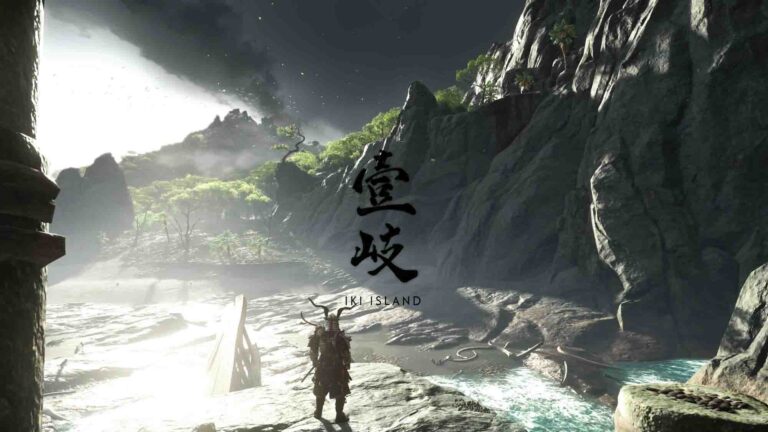
One of the most formative — and haunting — chapters of Jin’s youth came not on Tsushima itself, but across the sea on Iki Island. As a boy, Jin accompanied his father, Kazumasa Sakai, on a campaign to suppress raids and unrest plaguing the island. Here, Jin saw first‑hand the brutality and chaos of war beyond the structure of samurai battles. It was meant to be a lesson, a chance for Jin to observe what true leadership on the battlefield required.
Instead, it became a nightmare. The Raiders of Iki tricked Kazumasa and his men, luring them into a deadly trap where escape was impossible. Surrounded and outnumbered, Jin watched in horror as his father fought valiantly but was cut down before his eyes. Too young and powerless to intervene, Jin could do nothing but witness the merciless death of his father — a memory that would scar him forever. The trauma of the ambush, the helplessness he felt, and the cries of his father’s last moments echo throughout his later life. On Iki Island, the seed of doubt in the rigid samurai path was planted within Jin’s heart.
The Birth of the Ghost
That tragic memory, compounded by the Mongol invasion years later, shaped Jin into a warrior who understood that the “honorable path” of the samurai was not always enough to protect the people he loved. His decision to adopt stealth, deception, and unconventional tactics against Khotun Khan’s forces can be traced back to Iki Island — a place where honor without adaptability led directly to his father’s death. Jin’s later emergence as The Ghost was not just rebellion against tradition, but also a subconscious defiance of the fate that befell Kazumasa. He refused to let Tsushima share the same fate as his father on that battlefield.
tension with Shimura, protector of Tsushima, sacrifice, duality, legacy
The tension between Jin and Lord Shimura lies at the heart of his narrative. To Shimura, Jin’s methods betray the code of the samurai: facing the enemy with honor and dignity. To Jin, however, adapting to survive and liberate his homeland is the higher calling. This ideological rift not only strains their personal bond — as uncle and nephew, lord and heir — but also represents the broader theme of tradition clashing with evolution. Ultimately, Jin is forced to choose between loyalty to his family’s honor and the freedom of his people.
Despite his struggles, Jin emerges as a protector figure across Tsushima. Villagers, farmers, and even bandits begin to see him less as a noble samurai and more as a symbol of rebellion: The Ghost. His victories spread stories of terror among the Mongols and solidarity among the oppressed. In many ways, Jin transcends being a lone samurai; he becomes a living legend, a hero shaped as much by tragedy as by his defiance of tradition.
Jin’s journey is not without personal costs. Friends fall, enemies betray, and the decision to walk the path of The Ghost isolates him even from those he loves most. Yet it is precisely this sacrifice that defines him — he accepts the burden of dishonor in order to save lives. His willingness to break the samurai code, to become something more (or less) than what his uncle intended, shows the depth of his compassion and his humanity beyond the warrior’s mask.
In the end, the legacy of Jin Sakai is one of duality. He is both samurai and Ghost, heir and outcast, hero and betrayer. His story highlights the timeless question of whether honor lies in rigid duty or in the results of one’s actions. For players, Jin is not simply an avatar of combat skill; he represents the struggle between tradition and change, family and freedom, all against the backdrop of one of Japan’s most turbulent historical invasions. That complexity is what makes Jin Sakai an unforgettable character — not merely the savior of Tsushima, but its Ghost.
Jin Sakai: A Brief Timeline
- Early Childhood – Born into the respected Sakai Clan, Jin is raised under the mentorship of his uncle, Lord Shimura, who instills in him the strict code of the samurai.
- Iki Island Tragedy – As a boy, Jin accompanies his father, Kazumasa Sakai, to a campaign on Iki Island. Raiders ambush them, and Jin watches helplessly as Kazumasa is killed in front of him — a trauma that scars him for life.
- The Mongol Invasion (Komoda Beach) – Years later, Jin joins Lord Shimura to defend Tsushima against Khotun Khan’s invasion. The samurai are decimated, Shimura is captured, and Jin barely survives.
- Becoming The Ghost – Realizing traditional samurai methods cannot defeat the Mongols, Jin begins using stealth, fear, and unconventional tactics. This marks the birth of “The Ghost,” a figure both revered and feared.
- Conflict with Shimura – Jin’s new methods clash with Lord Shimura’s strict code of honor. Their relationship deteriorates, culminating in an emotional conflict between nephew and uncle.
- Protector of Tsushima – Despite the dishonor, Jin inspires common villagers, farmers, and rebels to rise up. He becomes a symbol of resistance against the Mongols.
- Legacy of Duality – Jin’s story ends as both samurai and Ghost: heir to a noble clan yet outcast from it, hated by some but immortalized as the savior of Tsushima.